Understanding Errors and Omissions Insurance in Washington State: A Comprehensive Guide

Ever wondered how businesses in Washington State protect themselves from costly mistakes? Enter errors and omissions insurance, the unsung hero safeguarding companies from the unexpected fallout of human errors and oversights. In the fast-paced world of business, even the most meticulous professionals can slip up. That’s where this crucial insurance comes into play, offering a financial safety net when things go awry.
But why exactly is errors and omissions insurance so vital for businesses in Washington? Picture this: a client sues your company for a mistake in a project. Without proper coverage, the legal fees alone could sink your business dreams. This insurance acts as a protective barrier, ensuring that one error doesn’t lead to a financial disaster. Let’s dive into the details and discover why Washington businesses are investing in this essential coverage.
Introduction to Errors and Omissions Insurance in Washington State
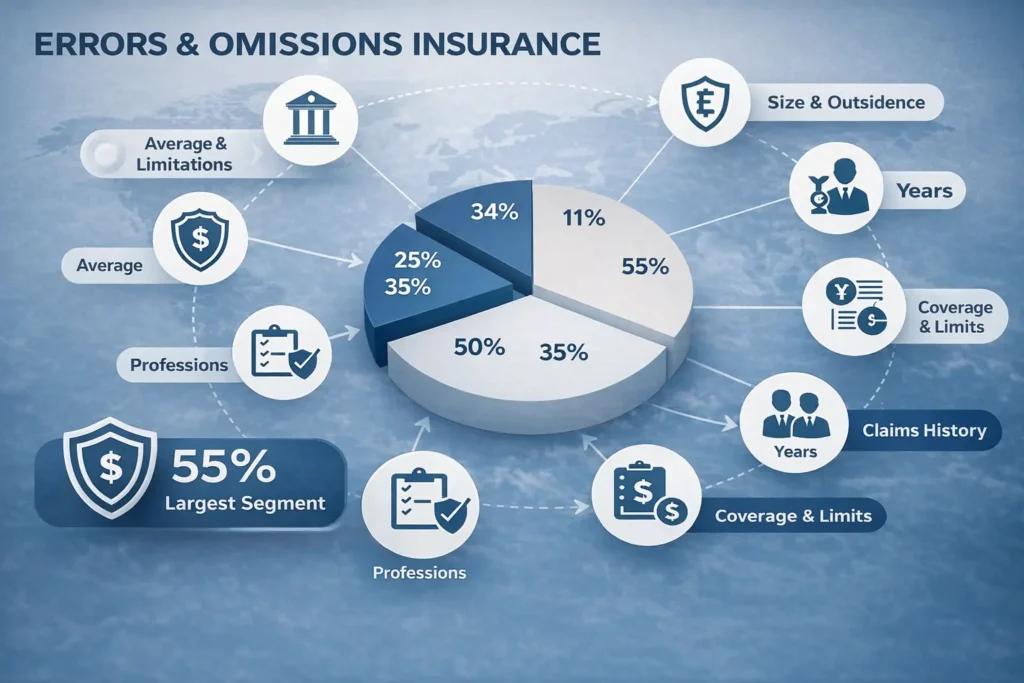
Did you know that 1 in 3 businesses in the U.S. faces a lawsuit at some point? Errors and omissions insurance could be your business’s best defense. It’s like a superhero cape for your company, protecting against the unexpected.
Errors and omissions (E&O) insurance is a form of professional liability insurance. It protects businesses from claims of negligence or inadequate work. This insurance is crucial in Washington State, especially if your business offers expert advice or services. Imagine the peace of mind knowing that one slip-up won’t lead to financial ruin.
The Importance of Errors and Omissions Insurance for Washington Businesses
Here’s the deal: Washington State is home to a thriving business ecosystem, from tech startups to real estate firms. Each faces unique risks. E&O insurance matters because it covers legal costs and any settlements if a client sues over a perceived mistake. That’s a game-changer.
But who really needs this insurance? Well, if you’re in tech, consulting, or real estate, you’re at the top of the list. These industries rely on precision and expertise, making them prime candidates for E&O coverage. For instance, a real estate agent could face a lawsuit if they fail to disclose property defects. Pro Tip:
Always double-check your business contracts to minimize potential risks.
Coverage Details and Policy Features
Did you know that one missed detail could cost your business thousands of dollars? That’s where Errors and Omissions Insurance (E&O) steps in. This type of insurance is crucial for protecting you against claims of negligence or inadequate work.
But what exactly does E&O cover? And how does it apply in Washington State? Let’s dive into the details so you can ensure your business is adequately protected.
Key Features of a Typical Errors and Omissions Insurance Policy
Here’s the deal: a standard E&O policy typically includes coverage for legal defense costs, settlements, and judgments. But it doesn’t stop there. Your policy can also cover errors, omissions, and even negligence claims made against your business. The trick is understanding the specific terms and conditions of your policy to know exactly what’s covered.
In Washington State, there are specific coverage options designed to meet the needs of local businesses. These options can include industry-specific endorsements that provide tailored coverage for unique business risks. For example, tech companies might need coverage that includes software errors, while consultants would require different terms.
Understanding Coverage Options Available in Washington State
When it comes to E&O insurance in Washington State, you have a variety of options. The key is to understand what each option provides and how it protects your business. We’ll break it down into a straightforward comparison to help you decide which features are best for you.
| Policy Feature | Coverage Limit | Typical Exclusions | Additional Options |
|---|---|---|---|
| Legal Defense Costs | $1 million per claim | Intentional wrongdoing | Higher limits available |
| Settlements and Judgments | $500,000 aggregate | Claims prior to policy period | Claims-made coverage |
| Omissions Protection | Included | Patent infringement | Industry-specific endorsements |
| Negligence Claims | Varies by industry | Fraudulent acts | Retroactive coverage |
Pro Tip: Always review your policy’s exclusions and consult with an insurance expert to tailor your coverage to your specific industry needs.
Legal Requirements and Regulations
Did you know that Washington State has specific legal requirements for Errors and Omissions (E&O) insurance? This isn’t just about following rules—it’s about protecting your business from costly mistakes.
If you’re doing business in Washington, understanding the legal landscape for E&O insurance is crucial. Failing to comply can lead to severe penalties or even business shutdowns. Let’s dive into the nitty-gritty of what you need to do to stay compliant.
Washington State E&O Insurance Requirements
First, you need to know that not every business must have E&O insurance in Washington, BUT if you’re in sectors like real estate or finance, it’s often mandatory. The state requires that you carry a policy that meets specific coverage amounts—typically in the hundreds of thousands—depending on your industry.
Here is the deal: the state of Washington mandates that you renew your policy annually. This isn’t just a formality; it’s a safeguard. An expired policy can leave you vulnerable to lawsuits or fines. So, make sure you set a yearly reminder to review and renew your coverage.
State-Specific Regulations for Compliance
Washington has some unique regulations that could trip you up if you’re not careful. For example, the state requires specific disclosures in your policy. These disclosures must clearly artikel what is and isn’t covered. This might sound complicated, but it’s designed to protect both the insurer and the insured.
Pro Tip: Always read the fine print. Ensure that your policy includes all state-required disclosures to avoid legal headaches later.
Recent Legal Cases Involving E&O Insurance
Curious about what happens when things go wrong? Let’s look at some real-world examples. In a recent case, a Seattle-based real estate firm faced a hefty lawsuit after a botched property deal. Their E&O policy saved them over $500,000 in potential losses.
Another example involves a tech company that didn’t have the correct E&O coverage. They were slapped with a $200,000 fine for compliance failures. This case highlights why it’s crucial to have accurate and up-to-date insurance.
Benefits and Limitations
Did you know that more than half of small businesses face lawsuits annually? Errors and omissions insurance can be your lifesaver. Many business owners underestimate the importance of this coverage until it’s too late.
Errors and omissions (E&O) insurance can protect you from the unforeseen legal battles that could cripple your business. BUT not all policies are created equal. Let’s dive into what makes E&O insurance a smart choice and what it might not cover.
Key Benefits of Errors and Omissions Insurance
First things first: E&O insurance shields you against claims of negligence and professional errors. This means if your advice or service doesn’t meet a client’s expectations, you’re covered. It also kicks in for disputes that arise from misrepresentation or inaccurate advice.
Here’s the deal: Having E&O insurance not only covers legal fees but also pays for settlements. This can save your business a fortune. Plus, having this coverage can enhance your professional reputation by showing clients you’re serious about protecting their interests.
- E&O insurance covers defense costs even if you’re not at fault.
- It can prevent financial ruin by covering settlements and judgments.
- Enhances client trust and business credibility.
“E&O insurance saved my business from a client lawsuit that could have cost me everything.” – Sarah, Seattle-based Consultant
Common Limitations and Exclusions
However, E&O insurance isn’t a magic wand that covers everything. There are limitations you need to know. It typically doesn’t cover bodily injury or property damage. For that, you’ll need general liability insurance.
Pro Tip: Always read your policy carefully to understand what’s excluded. Many policies won’t cover claims stemming from illegal acts or intentional wrongdoing. Avoid surprises by knowing these exclusions upfront.
| Covered | Not Covered |
|---|---|
| Legal defense costs | Bodily injury claims |
| Negligence claims | Property damage |
| Settlement costs | Fraudulent acts |
Insurance policies can feel like deciphering a foreign language. But understanding the benefits and limitations of E&O insurance can make or break your business survival plan.
How to Choose the Right Policy
Choosing the right Errors and Omissions insurance policy can feel like finding a needle in a haystack. With so many options available in Washington State, how do you know which is best for you?
Here is the deal: You want a policy that protects you without breaking the bank. It’s not just about finding the cheapest option. Instead, focus on the best value. This means balancing cost with coverage quality and insurer reputation.
Steps to Selecting Your Policy
Step #1: Identify Your Needs. Consider the unique risks your business faces. Are you in real estate, consulting, or tech? Each sector has different needs.
Step #2: Research Insurers. Look beyond the big names. Sometimes smaller, niche insurers offer better-tailored policies for specific industries.
Step #3: Compare Policies. Use the table below to weigh options. Look for balance in premium costs, policy features, and customer ratings.
| Insurer | Policy Features | Premium Cost | Customer Ratings |
|---|---|---|---|
| Insurer A | Comprehensive Coverage, Industry Specific | $$$ | 4.5/5 |
| Insurer B | Basic Coverage, Low Premiums | $$ | 4.0/5 |
| Insurer C | Flexible, Customizable Options | $$ | 4.2/5 |
Pro Tip: Don’t just choose by cost. A slightly higher premium can offer much better coverage, saving you big in the long run.
Checklist for Evaluating Policy Options
Before making a decision, run through this checklist to ensure you’ve covered all bases:
- Does the policy cover the specific risks faced by your industry?
- What are the exclusions in the policy?
- Is the insurer reputable and well-reviewed?
- Are the premiums within your budget?
- Can you customize the policy to better suit your needs?
Cost Factors and Premium Calculations

Did you know that 40% of small businesses are likely to experience a claim in the next decade? Errors and omissions insurance can be your financial shield, but it comes at a price.
Understanding the factors that influence your premium is crucial for budgeting and peace of mind. Here is the deal: not all policies are created equal, and several variables can impact what you pay.
Key Factors Influencing Premium Costs
In Washington State, the cost of errors and omissions insurance is affected by multiple elements. Let’s break them down:
- Industry Type: Higher risk industries typically face higher premiums.
- Coverage Limits: More coverage means higher costs.
- Claim History: Past claims can increase your premium.
- Business Size: Larger businesses usually pay more.
Calculating Your Insurance Costs
Calculating potential insurance costs can seem daunting. BUT it’s easier when you understand the primary components.
- Identify your industry risk level.
- Decide on necessary coverage limits.
- Review your past claim history.
- Consider your business size and revenue.
Pro Tip:
Work with an insurance broker to get tailored quotes and compare options.
Impact of Different Factors on Premiums
To make it simple, here’s a table that artikels how different factors affect your insurance premiums:
| Factor | Impact on Premium | Example Scenario |
|---|---|---|
| Industry Type | High | Tech companies often pay more due to cyber risks. |
| Coverage Limits | Moderate | Opting for $1M versus $500K in coverage increases costs. |
| Claim History | High | A business with prior claims sees a premium spike. |
| Business Size | Moderate | A larger firm with more employees pays more. |
Ultimately, the key to managing these costs is understanding which factors you can control and which you can’t. By doing this, you can make informed decisions and protect your business without breaking the bank.
Final Thoughts

In conclusion, errors and omissions insurance in Washington State is more than just a policy; it’s a lifeline for businesses navigating the unpredictable waters of client expectations and potential disputes. By understanding the coverage details, legal requirements, and cost factors, business owners can make informed decisions that shield them from unforeseen liabilities. So, if you’re running a business in Washington, now’s the time to consider how this insurance can fortify your operations and safeguard your future.
Common Queries
What is errors and omissions insurance?
Errors and omissions insurance, often referred to as E&O insurance, provides coverage for businesses against claims of negligence or mistakes in their professional services.
Why is errors and omissions insurance important for Washington businesses?
It protects businesses from potential lawsuits and financial losses due to professional errors or omissions, which is crucial in a state with diverse industries and high client expectations.
What industries benefit the most from errors and omissions insurance in Washington?
Industries like real estate, consulting, legal, and technology often benefit from this insurance due to their high risk of client service errors.
Are there legal requirements for errors and omissions insurance in Washington?
While not mandatory for all industries, certain professions, especially those regulated by state authorities, may require E&O insurance to operate legally.
How can businesses choose the right errors and omissions insurance policy?
Consider factors like coverage limits, exclusions, insurer reputation, and premium costs. Comparing multiple quotes and consulting with insurance experts can help in making the best choice.