Running a small business is like navigating a rollercoaster of opportunities and challenges. While the thrill of growth and innovation keeps entrepreneurs on their toes, the lurking risks can be a serious buzzkill. That’s where small business insurance steps in as the superhero cape your venture needs.
In this guide, we’ll dive into the nitty-gritty of three essential small business insurance types that every commercial venture should consider. From shielding against unexpected disasters to providing a safety net for your assets, these insurance options are more than just policies—they’re a lifeline for your business. So, buckle up as we explore how these coverages can keep your business cruising smoothly towards success with real-life examples and strategies.
Understanding Small Business Insurance
Did you know that 40% of small businesses never reopen after a disaster? That’s where small business insurance steps in. It’s a safety net that keeps your venture afloat when unexpected events strike.
Small business insurance is crucial for safeguarding your hard work. It covers everything from property damage to liability claims. Without it, you’re risking your business’s future.
Types of Coverage for Small Businesses
Let’s break it down. Small business insurance offers a variety of coverage options. The most common types include general liability, property insurance, and workers’ compensation. Each plays a unique role in protecting different aspects of your business.
General liability shields you from lawsuits related to injuries or property damage. Property insurance covers physical assets like your office or equipment. Workers’ comp takes care of employee injuries or illnesses related to their job.
Common Risks Faced by Small Businesses
Every business faces risks, but small businesses are particularly vulnerable. From natural disasters to employee injuries, the list is long. Insurance mitigates these risks, providing a financial cushion when things go south.
Imagine a fire destroying your storefront. Without insurance, you’d have to pay out of pocket for repairs. But with the right policy, you’re covered, minimizing downtime and financial loss.
Pro Tip: Always review your coverage regularly to ensure it aligns with your evolving business needs.
Types of Insurance Policies for Small Businesses
Did you know that 40% of small businesses never reopen after a disaster? If you own a small business, securing the right insurance is crucial to protect your investment.
Here is the deal: not all insurance policies are created equal. Each has its unique benefits tailored to different aspects of your business. Let’s break down the essential types you need to consider.
Essential Insurance Policies for Small Businesses
To keep your business safe, here are the must-have insurance policies:
- General Liability Insurance: Covers legal costs and damages if your business is sued for injury or property damage.
- Property Insurance: Protects your business’s physical assets, like your building and equipment, from perils such as fire or theft.
- Business Interruption Insurance: Compensates for lost income if your business operations are halted due to a covered event.
- Workers’ Compensation Insurance: Provides wage replacement and medical benefits to employees injured on the job.
- Professional Liability Insurance: Also known as Errors and Omissions (E&O) insurance, covers claims of negligence or mistakes in professional services.
- Commercial Auto Insurance: Covers vehicles used for business purposes in case of accidents or damage.
Benefits of Liability Insurance vs Property Insurance
General Liability Insurance protects you from financial losses due to lawsuits over accidents or injuries. It’s like a financial safety net when legal troubles arise. On the other hand, Property Insurance is your go-to for safeguarding your physical assets.
Both are crucial, but liability insurance could save your business from bankruptcy if someone sues you. Property insurance ensures that your business gears up quickly after unexpected events.
Pro Tip: Bundle different policies to save money and get comprehensive coverage.
Comparison of Business Interruption, Professional Liability, and Commercial Auto Insurance
| Type of Insurance | Purpose | Key Benefit |
|---|---|---|
| Business Interruption Insurance | Covers loss of income during a temporary shutdown | Ensures business continuity despite disruptions |
| Professional Liability Insurance | Protects against claims of negligence in services | Safeguards your reputation and finances from lawsuits |
| Commercial Auto Insurance | Covers vehicles used for business purposes | Protects against accidents and vehicle-related incidents |
Factors Influencing Insurance Costs

Ever wondered why your business insurance costs what it does? Well, you’re not alone. Insurance pricing can feel like a mystery, BUT it doesn’t have to be.
Let’s dive into the factors that shake up your premiums. From the size of your business to the industry you’re in, these elements can significantly alter your insurance bill.
Key Elements Affecting Insurance Costs
First off, let’s talk about some main players in the insurance cost game. Business size and industry type are major influences. Small businesses with a larger team or higher revenue often shell out more. Why? Because the potential risk increases with more people or transactions involved.
Location and claims history also play pivotal roles. If you’re situated in an area prone to natural disasters or have a shaky claims history, expect higher premiums. Here is the deal: insurance companies see you as a higher risk if you’ve had frequent claims or are in a risky locale.
Business Size and Industry Impact
Your industry type can dramatically alter your insurance costs. For example, a tech startup might pay less than a construction company. Why? Because the construction industry is inherently riskier!
Meanwhile, the size of your business—measured by revenue and employee count—will also affect your rates. Larger operations often equate to bigger risks, leading to higher premiums. BUT don’t fret; there are ways to manage this.
Strategies to Lower Insurance Costs
Want to cut down on your insurance expenses? Here’s how. First, consider bundling policies. By combining different insurance policies, you often snag a discount. But that’s not all!
Implementing risk management strategies can also help. This means having safety protocols and training in place. Insurers love this and might just reward you with lower rates.
Pro Tip: Regularly review your coverage. You might be paying for protection you don’t need or missing out on new discounts.
Finally, don’t shy away from shopping around. Different insurers offer varied rates. A little comparison can save you a lot of money.
Legal Requirements for Commercial Insurance
Did you know that failing to comply with commercial insurance laws can cost your business thousands? Many small businesses aren’t aware of the mandatory insurance requirements in their regions.
Here is the deal: Commercial insurance isn’t just a smart move—it’s often a legal requirement. Different regions have different laws, and you need to know what applies to your business. Let’s dive into the specifics so you can avoid costly penalties and protect your venture.
Mandatory Insurance by Region
Depending on where your business operates, you may be required to have specific types of insurance. For instance, almost every state in the U.S. requires workers’ compensation insurance if you have employees. Europe has its own set of rules, with certain countries mandating public liability insurance.
But wait, there’s more: Not adhering to these requirements can result in hefty fines or even force you to shut down. A bakery in California had to close its doors temporarily because they lacked the proper workers’ comp coverage. Don’t let that be you.
Benefits of Compliance
Following the law isn’t just about avoiding fines; it can actually benefit your business. Complying with insurance regulations enhances your credibility and can make it easier to secure loans and investors.
Pro Tip:
Always consult with an insurance advisor to ensure you’re compliant with all necessary regulations.
Consider how a tech startup in Germany was able to quickly expand because they maintained stellar insurance compliance, which boosted investor confidence. This is how following the rules can open new doors.
Customizing Insurance Coverage for Small Enterprises
Ever thought about how much one-size-fits-all insurance is costing your business? It might be more than you think. Let’s dive into how you can tailor a plan that suits your unique needs.
The truth is, every small business is different. Your insurance policy should reflect that. Here’s how you can customize your insurance coverage to protect your business while promoting growth.
Assessing Your Unique Insurance Needs
Step #1: Analyze Risks. Start by identifying the specific risks your business faces. Are you in retail, tech, or food services? Each industry has its own set of challenges. Make a list of potential risks that could impact your operations.
Step #2: Evaluate Existing Coverage. Look at your current insurance policy. Does it cover all the risks you identified? Chances are, there are gaps. This is where customization comes in.
Evaluating Insurance Providers
Not all insurance providers are created equal. You need to figure out which ones offer the best value for your particular needs. Start by checking their reputation for customer service. Look for reviews and testimonials from other small business owners.
Step #1: Compare Offerings. Create a table comparing the different coverage options and limits each provider offers. Pay attention to exclusions and deductibles.
| Provider | Coverage Options | Customer Service Rating |
|---|---|---|
| Provider A | General Liability, Property | 4.5/5 |
| Provider B | General Liability, Workers’ Comp | 4.0/5 |
Pro Tip: Choose a provider that offers flexible policies which can be adjusted as your business grows.
Enhancing Security and Growth with Tailored Plans
Imagine a world where your insurance not only protects you but also helps your business grow. With a personalized insurance plan, this is possible. For example, a tech startup might opt for cyber liability coverage to protect against data breaches, while a restaurant would focus on food spoilage insurance.
By tailoring your policy, you not only shield yourself from risks but also enhance your business’s ability to expand safely. Insurance isn’t just about protection; it’s an investment in your enterprise’s future.
Benefits of Comprehensive Coverage in Business Growth
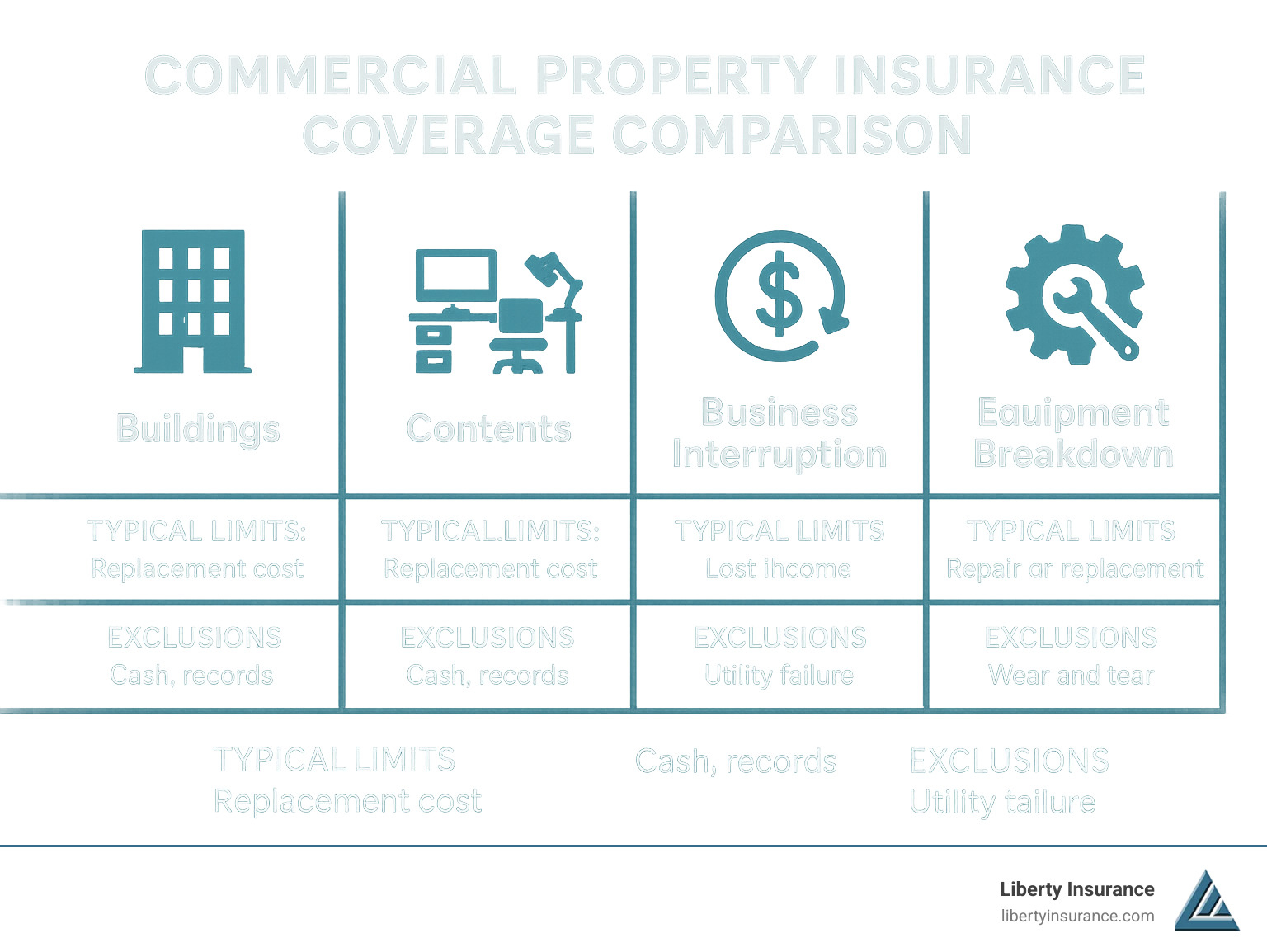
Did you know that 40% of small businesses face unexpected financial disasters within the first five years? That’s where comprehensive insurance coverage comes in, acting as your business’s safety net.
Comprehensive insurance isn’t just about protection. It’s a growth catalyst. When you’re shielded from unexpected costs, you can focus on scaling your operations, investing in new opportunities, and building your brand.
Short-Term vs. Long-Term Benefits of Comprehensive Insurance
Let’s break it down. Comprehensive coverage not only protects you today but also sets the stage for future success. How? By minimizing risks and ensuring stability.
| Short-Term Benefits | Long-Term Benefits |
|---|---|
| Immediate Protection: Covers damages or losses as they happen. | Financial Stability: Promotes sustained growth without financial hiccups. |
| Cash Flow Management: Prevents sudden financial drains. | Reputation Management: Builds a resilient brand image over time. |
| Peace of Mind: Reduces stress, allowing focus on daily operations. | Business Continuity: Ensures longevity and success. |
Protection Against Unforeseen Financial Setbacks
Unexpected financial setbacks are a real threat. A lawsuit or natural disaster can cripple your business overnight. But with comprehensive coverage, you’re not just surviving these challenges; you’re thriving through them.
Here is the deal: comprehensive insurance acts as a financial buffer. It’s your plan B when things go south. Without it, one unforeseen event could erase years of hard work and investment.
Pro Tip: Always review your policies annually to ensure your coverage keeps pace with your growing business.
Final Summary

As we wrap up this exploration into the realm of small business insurance, it’s clear that having the right coverage isn’t just an option—it’s a necessity. Whether you’re safeguarding against unforeseen setbacks or paving the way for future growth, the right insurance policies offer a protective shield. With the knowledge shared here, you’re now equipped to make informed decisions that align with your business’s unique needs. Remember, comprehensive coverage today means peace of mind tomorrow, ensuring your business not only survives but thrives in the competitive market landscape.
Common Queries
What is the importance of small business insurance?
Small business insurance is crucial for protecting your venture from potential risks such as lawsuits, property damage, and financial losses, ensuring long-term sustainability.
What are the types of insurance policies essential for small businesses?
Essential insurance policies include general liability insurance, property insurance, business interruption insurance, professional liability insurance, and commercial auto insurance.
How do liability insurance and property insurance differ?
Liability insurance protects against claims involving injuries and damages caused by your business, while property insurance covers damage to your business property and assets.
What factors influence the cost of small business insurance?
The cost is influenced by factors such as business size, industry type, location, and claim history.
How can small businesses reduce their insurance costs?
Businesses can reduce costs by bundling policies, implementing safety measures, and choosing higher deductibles.
