Hey there, small business warriors! Imagine you’ve poured your heart, soul, and a fair amount of capital into your dream venture. But have you thought about how to protect it? Enter the world of business insurance—your unsung hero in the world of entrepreneurship. Not just any insurance, though. Today, we’re diving into the top three game-changers for small businesses.
With a landscape fraught with uncertainties, understanding business insurance can feel like navigating a labyrinth. But fear not! With the right knowledge, you can transform these complexities into a strategic advantage. Stick around as we unpack the essentials, with a pinch of the Backlinko magic to keep things engaging and insightful!
Understanding Business Insurance Types
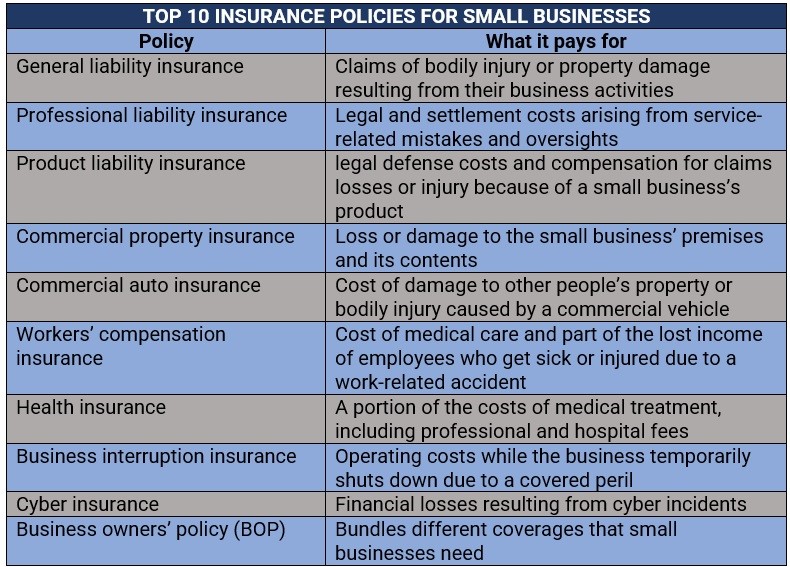
Did you know that 44% of small business owners are afraid of getting sued? That’s where business insurance comes in. It protects you from unexpected disasters that could sink your business.
There are several types of business insurance available, and each serves a unique purpose. Understanding them is crucial to ensuring your business is covered from all angles.
Liability Insurance Explained
Liability insurance is a must-have for any business. It protects you against claims resulting from injuries and damage to people or property. Imagine a customer slipping on your store’s wet floor—liability insurance will cover the legal costs.
Property Insurance Essentials
Property insurance safeguards your business’s physical assets. Whether it’s a fire or theft, this insurance compensates you for damage to your property. Think of it as a safety net that helps you rebuild after a catastrophe.
Workers’ Compensation Unpacked
Workers’ compensation insurance is crucial if you have employees. It covers medical expenses and lost wages if an employee is injured on the job. This not only protects your workers but also shields you from potential lawsuits.
Here is the deal: understanding the costs and benefits of each type is vital. Let’s break it down.
| Insurance Type | Coverage Area | Benefits | Typical Costs |
|---|---|---|---|
| Liability Insurance | Injuries to third parties, legal fees | Protects against lawsuits | $400 – $600 annually |
| Property Insurance | Buildings, equipment, inventory | Covers physical asset damage | $1,000 – $3,000 annually |
| Workers’ Compensation | Employee injuries and illnesses | Medical expenses, lost wages | Varies by state and payroll |
Pro Tip: Always compare multiple quotes before choosing your insurance provider to ensure you’re getting the best deal.
Importance of Insurance for Small Businesses
Ever wonder what happens to small businesses without insurance? You might think it’s all about covering physical damages, but there’s so much more at stake.
Insurance is your secret weapon in managing risks. It’s not just a rainy-day fund; it’s your business’s lifeline when things go south. Let’s dive into why every small business needs it.
The Role of Insurance in Risk Management
Risk management isn’t just for big corporations. Small businesses have unique challenges, and one misstep can spell disaster. Insurance helps you navigate these risks effectively. From natural disasters to lawsuits, it covers unexpected events that could otherwise cripple your operations. But here’s the deal: without insurance, you’re playing a dangerous game of chance.
Key Benefits of Having Business Insurance
Having insurance is like having a financial safety net. It protects your assets, ensures business continuity, and even boosts your credibility. When you can show clients and partners that you’re insured, it demonstrates professionalism and trustworthiness.
Pro Tip: Some contracts may even require insurance as a prerequisite. So, having it can open up more business opportunities.
Financial Challenges Without Insurance
Imagine a scenario where a fire damages your office. Without insurance, you’re left with hefty repair bills. Or think of a lawsuit that drains your resources. In these situations, insurance is your best friend. It prevents financial ruin and allows you to focus on what matters most—growing your business. Here’s another thing: without insurance, small businesses often have to dip into personal savings, putting owners’ livelihoods at risk.
Cost Factors of Small Business Insurance
Ever wondered why the insurance for your small business costs what it does? You’re not alone. The price tag can feel like a mystery.
Understanding the costs behind small business insurance is crucial. It all boils down to a few key factors. Let’s break them down.
Key Influences on Insurance Cost
First up, your industry plays a major role. Some businesses are naturally riskier than others. A construction company, for instance, will pay more than a consulting firm.
Next, the size of your business. More employees and a higher revenue usually mean higher premiums. Why? Because more people and assets increase potential risks.
Then there’s your claim history. Frequent claims? Expect higher rates. Insurance companies see you as a liability.
Cost-Saving Strategies for Small Business Insurance
Here’s the deal. You can save money with strategic tweaks.
- Shop around for quotes. Don’t settle on the first offer. Compare different insurance providers.
- Raise your deductible. Increasing it can lead to lower premium costs.
- Bundle policies. Combine different insurance types with one provider for a discount.
- Implement safety protocols. A safer business is a cheaper-to-insure business.
Pro Tip: Regularly review your coverage. Needs change, so can your policy.
Typical Insurance Costs Breakdown
Let’s put numbers into perspective. Typical small business insurance can range from a few hundred to several thousand dollars annually.
| Insurance Type | Average Cost | Potential Savings |
|---|---|---|
| General Liability | $500 – $1,000 | Bundle with property insurance for up to 15% savings |
| Professional Liability | $600 – $1,200 | Increase deductible for potential 10% savings |
| Commercial Property | $750 – $2,000 | Install security systems for a 5-10% discount |
Assess where your money goes and identify potential savings. This awareness can mean more budget left for growth.
Selecting the Right Insurance Provider
Did you know that 45% of small businesses have never reviewed their insurance policy? This oversight can cost you big time if you’re not careful. BUT how do you choose the right provider among the sea of options?
Here is the deal: selecting the right insurance provider is crucial for the security and longevity of your business. You want a provider that’s not only reliable but also offers the best coverage for your specific needs.
Criteria for Evaluating Potential Insurance Providers
Here’s what you need to scrutinize when evaluating insurance providers. First, check their financial stability. A provider that’s financially shaky might not be there when you need them the most. Second, investigate their customer service reputation. You don’t want to deal with a company that leaves you hanging during a crisis.
Pro Tip: Always ask for references or reviews from other businesses in your industry. They can offer real-world insights into what you can expect.
Checklist of Essential Questions for Assessing Reliability
Before you sign on the dotted line, here’s a checklist of questions to ask:
- How long have you been in business?
- What is your rating with agencies like AM Best or Moody’s?
- Can you provide a sample policy?
- What is your claims process like?
- Are there any hidden fees or charges?
Comparison of Insurance Providers
Not all insurance providers are created equal. Use this handy table to compare features and ratings.
| Provider | Financial Rating | Customer Service Score | Years in Business |
|---|---|---|---|
| Provider A | A+ | 8.5/10 | 20 |
| Provider B | A | 9/10 | 15 |
| Provider C | B+ | 7/10 | 25 |
Common Challenges in Business Insurance

Did you know that 40% of small businesses are underinsured? Navigating the maze of business insurance can be daunting, yet crucial for your company’s survival.
Many small business owners feel overwhelmed by the complexities of insurance policies. The good news is, you’re not alone and there are ways to simplify the process.
Overwhelming Policy Options
One of the most common challenges is choosing from a vast array of policies. With so many options, how do you know which one suits your business? Here is the deal: focus on your specific industry risks and tailor the coverage to your needs.
Pro Tip: Consult an insurance broker who specializes in your industry to get personalized advice.
Fear of High Premiums
Worried about breaking the bank with insurance premiums? You’re not alone. But fear not, as there are ways to manage costs without sacrificing coverage. Start by comparing quotes from multiple providers to find the best deal.
- Bundle policies to receive discounts.
- Increase deductibles to lower premiums.
- Review your policy annually to adjust coverage and premium costs.
Misunderstanding Policy Terms
Legal jargon can make insurance policies feel like a foreign language. Misinterpreting terms can lead to underinsurance or denied claims. Here’s the fix: Spend time understanding key terms like “deductible” and “coverage limit”.
“Insurance doesn’t have to be complicated, but you need to know what you’re buying.”
Engage with your provider, ask specific questions, and don’t hesitate to request clarification on complex terms.
The Impact of Insurance on Business Growth
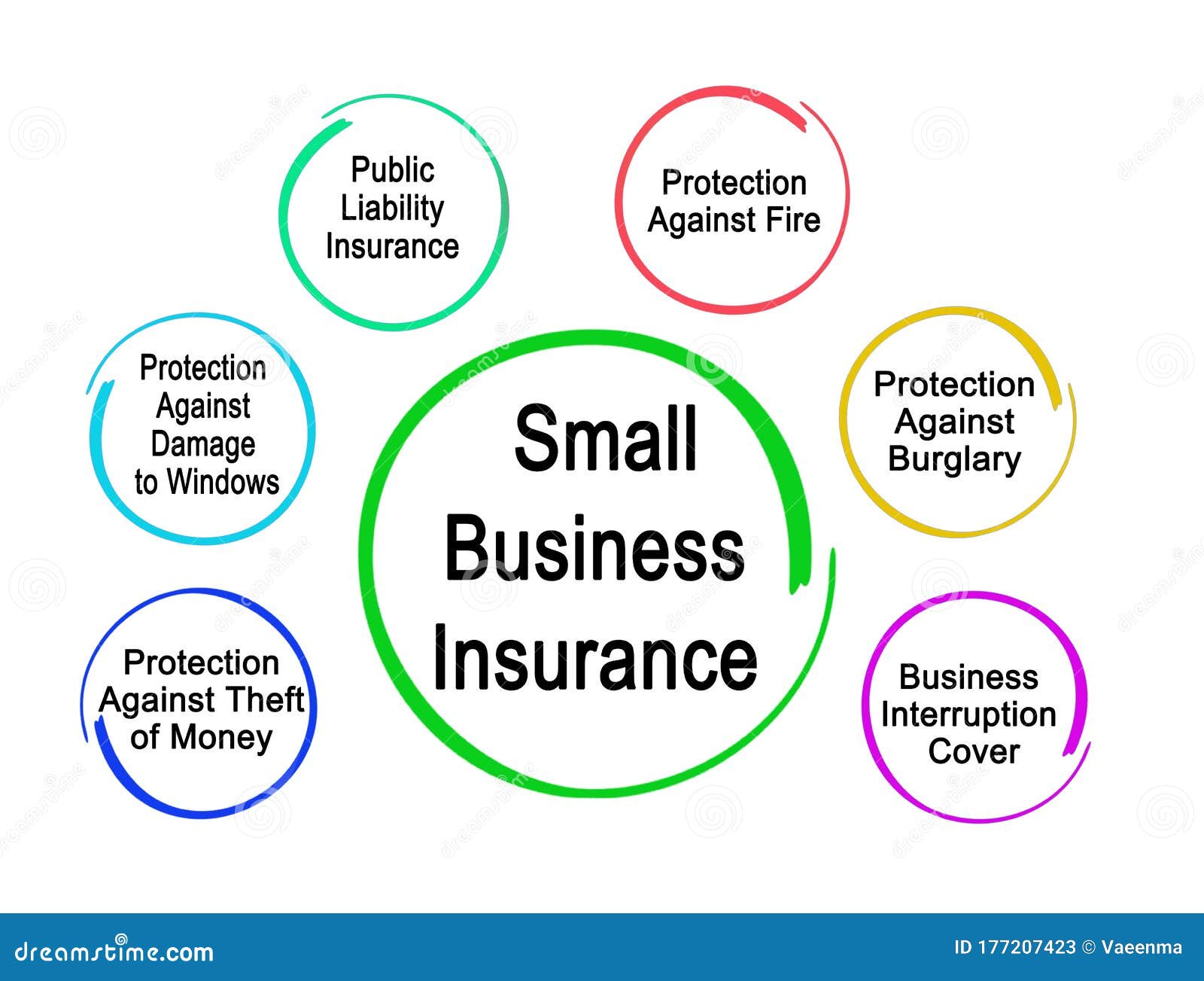
Did you know that 40% of small businesses never reopen after a disaster? Insurance can be the lifeline that keeps your business afloat when the unexpected happens.
Insurance isn’t just a safety net; it’s a growth catalyst. When you have the right coverage, you’re not only protecting your assets but also setting up a foundation for stability and expansion. With less worry about potential losses, you can focus on scaling your operations, exploring new markets, and innovating.
Real-Life Examples of Businesses Growing with Insurance
Take, for example, a small manufacturing company that faced a devastating fire. Thanks to their comprehensive insurance policy, they were able to rebuild and even expand their operations. This isn’t just about recovery; it’s about seizing an opportunity to grow stronger. Another example is a tech startup that leveraged its insurance coverage to secure a loan for expansion, showing investors that their investment was protected.
Indirect Benefits of Comprehensive Coverage
Insurance does more than just cover your losses. It can also improve your business’s reputation. Customers and partners are more likely to trust a business that has its risks managed and insured. This trust can lead to more partnerships and contracts, directly impacting your bottom line.
Pro Tip: Use your insurance status as a selling point when negotiating contracts or partnerships. It shows you’re responsible and prepared.
Additionally, having insurance can reduce your tax burden. Many premiums are tax-deductible, which means you have more capital to reinvest in your business. Who doesn’t want to save on taxes while safeguarding their business?
Closure
There you have it, folks! A robust understanding of the three essential types of small business insurance can transform potential vulnerabilities into opportunities for growth and stability. Choosing the right coverage aligns your business with a safety net, allowing you to focus on what you do best—growing your enterprise. So, take these insights, apply them wisely, and watch your business not just survive, but thrive!
Q&A
What are the main types of business insurance small businesses should consider?
The primary types are liability insurance, property insurance, and workers’ compensation insurance.
Why is business insurance important for small businesses?
It plays a crucial role in risk management, protecting your business from unforeseen financial challenges.
How do I choose the right insurance provider for my small business?
Evaluate providers based on coverage options, customer reviews, financial strength, and customer service.
What factors affect the cost of small business insurance?
Factors include business size, industry, location, and the specific types of coverage selected.
Can business insurance aid in business growth?
Yes, insurance provides stability and peace of mind, allowing you to focus on expanding operations and seizing new opportunities.
